Serving Waxahachie, TX and surrounding areas. (945) 259-2078
Superior Waxahachie Concrete handles concrete driveways, decorative finishes, patios, retaining walls, and slabs throughout Cedar Hill, TX. Cedar Hill's hilly terrain and expansive clay soil create conditions that flat-lot contractors underestimate - we know the difference and build every project to account for it. Free on-site estimates with responses within one business day.
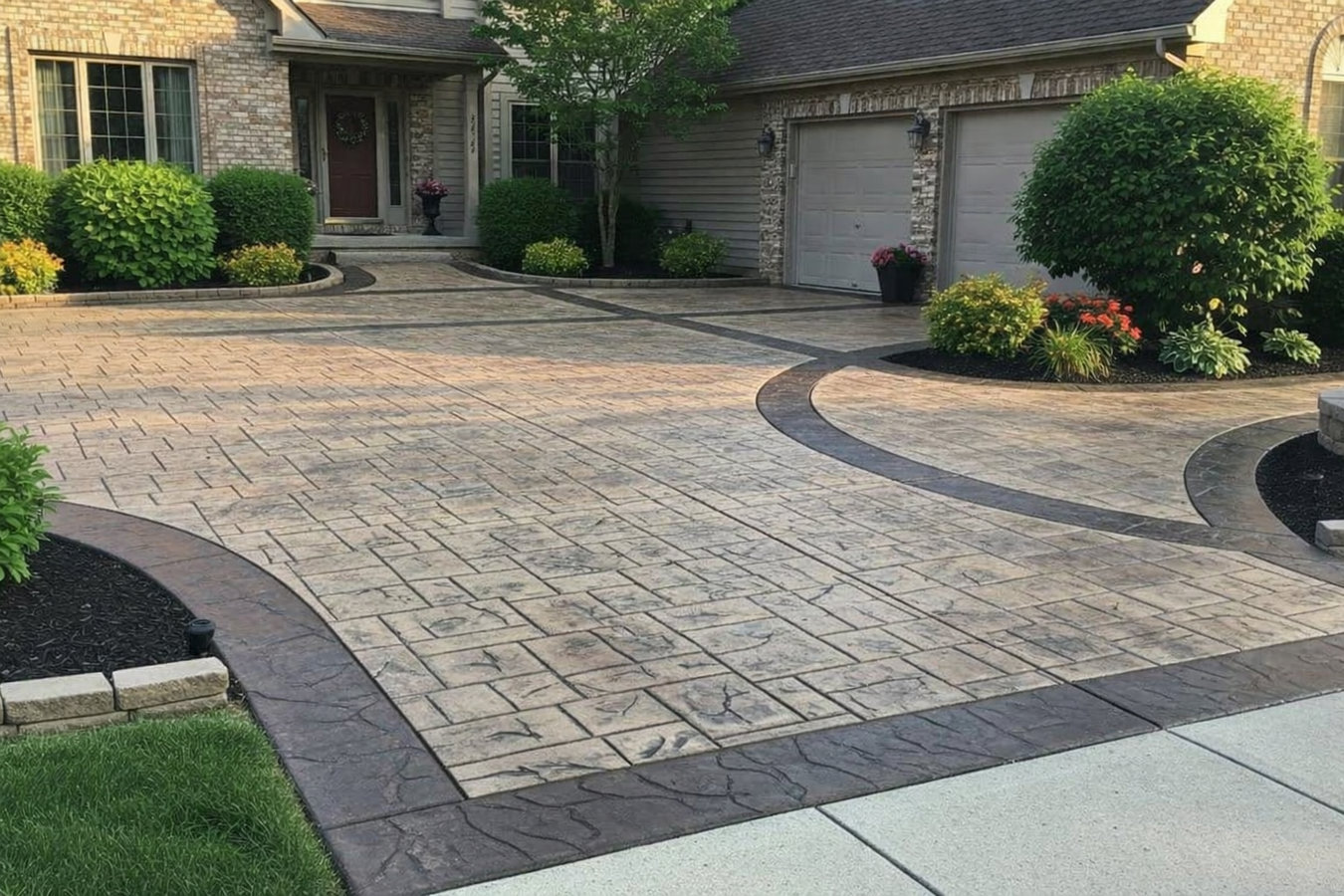
Cedar Hill's 1990s and 2000s brick-veneer neighborhoods have a distinct curb appeal standard, and a decorative concrete driveway or patio fits naturally into that aesthetic. Exposed aggregate, colored finishes, and custom textures hold up in North Texas heat when properly sealed. Learn more about our decorative concrete options for Cedar Hill properties.
Many Cedar Hill driveways from the 1990s and 2000s are at the age where clay soil movement and decades of North Texas heat have caused cracking and surface wear that patching cannot fix. A replacement built with proper reinforcement and base prep will outperform the original by years.
Cedar Hill's hilly terrain means sloped lots are common across the city, particularly in neighborhoods near the escarpment. A concrete retaining wall stops soil from migrating downhill after heavy rain and protects your foundation from the water pressure that builds behind an eroding grade.
Proximity to Cedar Hill State Park and Joe Pool Lake makes outdoor living a real draw for homeowners here. A properly graded concrete patio handles the drainage challenges that sloped Cedar Hill lots present while giving you a durable surface for year-round use.
Homes near Joe Pool Lake often have pools, and pool decks take the brunt of North Texas heat, chlorinated water, and clay soil movement underneath. A concrete pool deck with the right surface texture and sealant system stays slip-resistant and does not buckle when the ground shifts seasonally.
New construction continues on Cedar Hill's edges, and every new slab on the city's varied terrain needs drainage grading and reinforcement sized for the specific lot. Getting the foundation right protects every dollar invested in the structure above it.
Cedar Hill is not flat, and that distinction matters for every concrete project here. The city sits on the Escarpment, a geological transition zone that gives Cedar Hill its rolling terrain and elevated character. Lots with noticeable grade changes are common across older neighborhoods and in areas near Cedar Hill State Park and Joe Pool Lake. Sloped lots concentrate water movement, which affects drainage around driveways, foundations, and retaining walls in ways that a contractor used to flat suburban lots does not anticipate. Poor drainage decisions made during a concrete pour can send water toward a foundation for years without the homeowner realizing it until cracking or settling becomes visible.
The underlying soil adds the second challenge. Cedar Hill sits on expansive clay - sometimes called Houston Black clay across the DFW area - that behaves the same way it does in neighboring cities: swelling after rain and shrinking during the dry, hot summers this part of Texas regularly produces. Cedar Hill's large stock of 1990s and 2000s brick-veneer homes means a lot of original driveways and flatwork are now 20 to 30 years old. After that many shrink-swell cycles, cracking and surface wear accumulate to the point where repair no longer makes financial sense. This city generates steady demand for concrete replacement, retaining wall construction, and drainage correction - and the hillier terrain makes knowing the specific site essential before any estimate is given.
Our crew works throughout Cedar Hill regularly, and we understand the local conditions that affect concrete work here. We are familiar with the City of Cedar Hill's permitting and inspections process, the terrain differences between the eastern subdivisions along US-67 and the hillier neighborhoods closer to Cedar Hill State Park, and how drainage behaves on sloped lots versus the flatter parts of the city. US-67 is the main artery in and out of Cedar Hill, and we route delivery trucks along it to reach neighborhoods on both sides of the corridor efficiently.
Cedar Hill neighbors DeSoto to the east, where the terrain flattens out and the housing stock shifts toward a slightly different profile - we cover that city as well. And we work south toward Midlothian in Ellis County, which shares Cedar Hill's clay soil conditions. If you are anywhere in this part of the southwest DFW metro, we can reach your property without a long drive.
Reach us by phone or through the contact form. We respond within one business day and schedule a site visit at a time that works for your schedule.
We visit your Cedar Hill property to measure the area, assess drainage and slope, and evaluate soil conditions. You receive a written estimate - no vague ballparks, and no pressure to commit on the day we visit.
We pull the required city permit and handle excavation, grading, base compaction, and forming. On Cedar Hill's sloped lots, the drainage grading at this stage determines how your slab handles water for the next 25 years.
We pour and finish the slab, cut control joints, and walk the completed surface with you before leaving. We will tell you exactly when the concrete is ready for foot traffic and vehicles.
We know Cedar Hill's sloped lots, clay soil, and permitting process. Free on-site estimates, responses within one business day.
(945) 259-2078Cedar Hill sits in the southwestern part of the Dallas-Fort Worth Metroplex, in both Dallas and Ellis counties, with a population of roughly 50,000 or more. The city grew steadily from the 1980s onward, building out a large stock of single-family, owner-occupied homes across multiple decades. Older neighborhoods near the historic downtown core have homes from the 1960s and 1970s, often on smaller lots with wood-frame construction. The bulk of the city's residential area is made up of brick-veneer subdivisions from the 1990s and 2000s, where homes sit on moderate-sized lots and driveways are almost universally poured concrete. US Highway 67 runs through Cedar Hill as the main commercial and travel corridor, connecting the city to Dallas to the north and Cleburne to the south. Cedar Hill State Park and Joe Pool Lake on the city's western edge give Cedar Hill a greener, more natural character than many DFW suburbs, and they draw residents who want outdoor recreation close at hand.
The elevated terrain that gives Cedar Hill its name is the Escarpment, a geological feature that creates the rolling, hilly character of properties on the city's western and northern sides. Lots near the Escarpment have grade changes that require retaining walls and careful drainage planning - features that distinguish Cedar Hill concrete work from the flat-slab jobs common in nearby cities. Cedar Hill shares its southern and eastern borders with DeSoto and other Dallas County suburbs where we also work regularly. Homeowners throughout this part of the metro can count on us for the same local knowledge and written estimates that Cedar Hill residents receive.
Get a durable, professionally poured concrete driveway built to last.
Learn MoreSafe, level concrete sidewalks installed for homes and businesses.
Learn MoreExpertly installed interior concrete floors for any property type.
Learn MoreCustom concrete steps built for durability and clean curb appeal.
Learn MoreProperly graded and poured concrete slab foundations for new builds.
Learn MoreCommercial-grade parking lots designed for heavy, long-term use.
Learn MoreSloped lots and clay soil need a contractor who has seen both - call us now and we will come to your property, assess the conditions, and give you a written quote with no obligation.